We grew up believing in something simply because it was there.
You didn’t question it. You didn’t test it.
It just worked. This is what we believed:
School > Degree > Job > Career.
It felt less like a choice and more like gravity. You don’t debate gravity—you trust it.
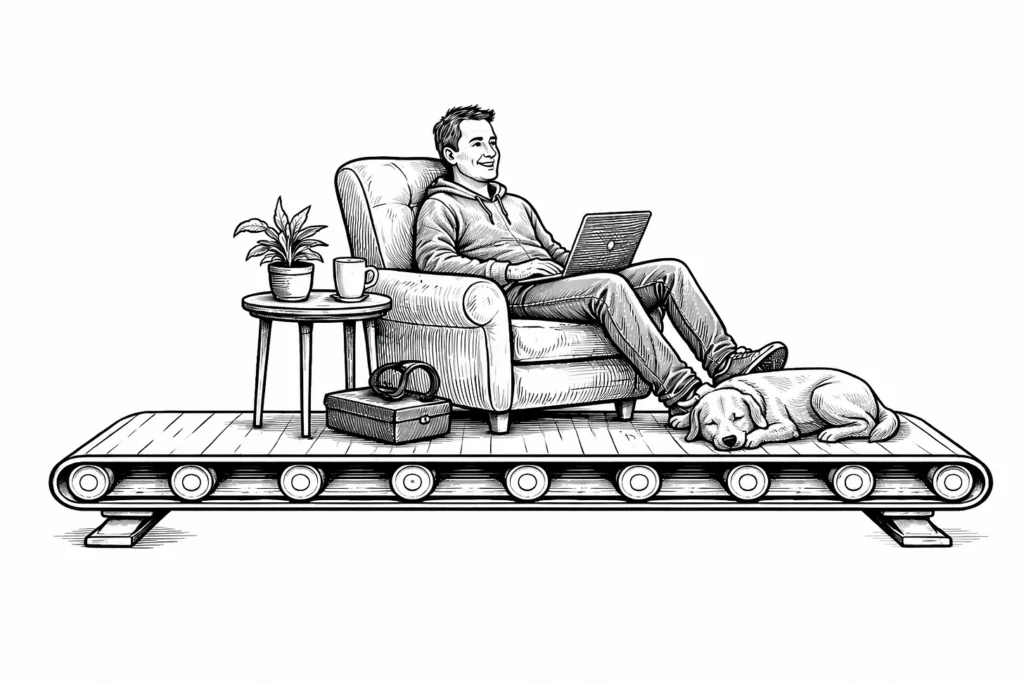
That was the American Conveyor Belt.
The full-time job. The W2. The title. The role. The org chart.
A system that was always moving, always carrying people forward.
And if you made a reasonable effort to stay on it—
it carried you.
For a long time, that was true.
It Worked. Until It Didn’t.
For decades, the agreement was simple.
Learn. Graduate. Get a job. Build experience. Keep going.
And the conveyor belt would reward you.
And if you fell off?
There were ways back on.
Recruiters. Job boards. Referrals. Alumni networks.
An entire ecosystem built around one idea:
keep people on the belt—or get them back on quickly.
The system had been running so long, everyone knew how it worked.
It felt permanent.
It felt fair.
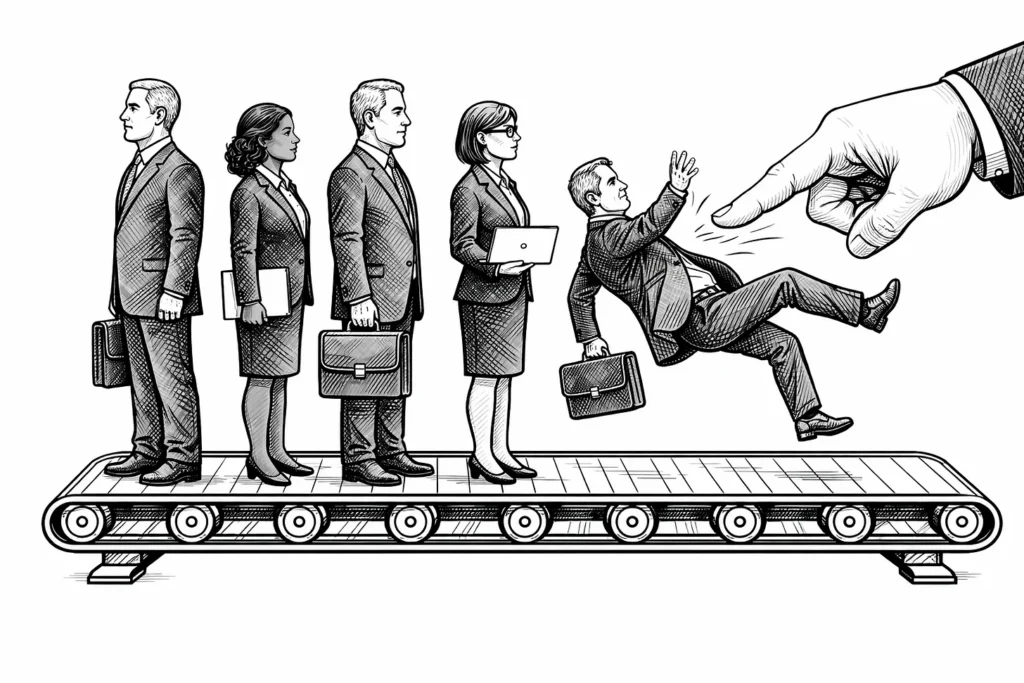
Then Something Changed
This is where we are today.
It feels like… too much friction.
More applicants than usual. Slower responses. A search that stretches longer than expected—and keeps stretching.
And the friction kept building.
Two hundred applicants has become five hundred. Resumes aren’t reaching humans. Search timelines have doubled, then tripled, or simply gone into the ether. Roles that do come back, are coming back smaller.
Entire functions are compressing or disappearing.
Underneath it all is something even more harsh:
The companies making these changes aren’t struggling.
They’re winning. Crushing it. More profitable than ever.
The conveyor belt isn’t breaking down.
It’s being redesigned—on purpose—to carry fewer people.
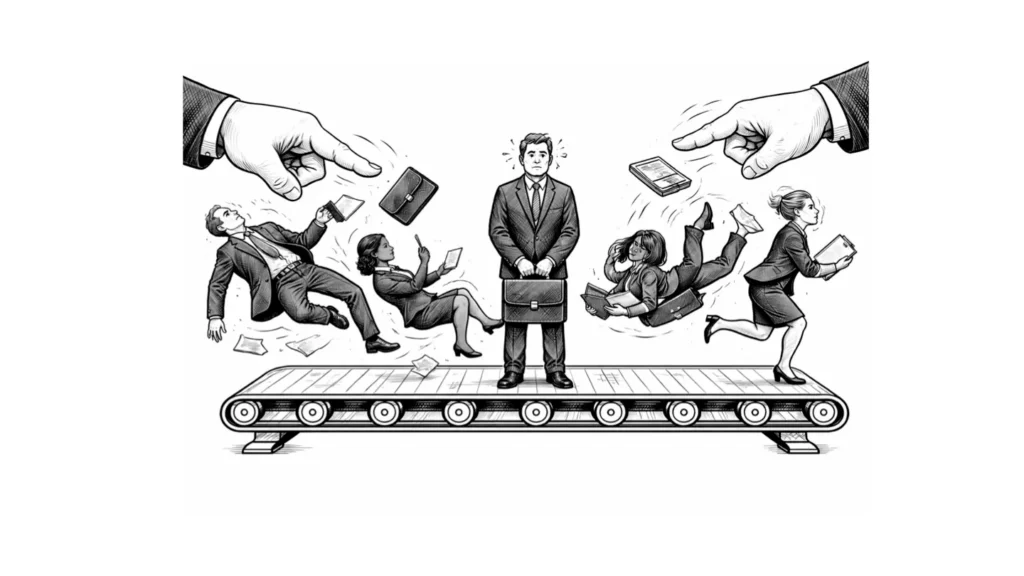
Layoffs Aren’t Weather Anymore
We were taught to think of layoffs like weather.
Unpredictable. Painful. Temporary.
A downturn comes. People are cut. Then things recover—and hiring resumes.
But that’s not at all what’s happening.
We are in hyper-optimization mode here in 2026. Adopting a new model. This is akin to when we got the iPhone. PC. Netflix. The foundation of what is normal is no longer foundational. There is a new model, and it simply has less people in it. Nothing is going “back to normal.”
We didn’t return to the horse after the car. We didn’t return to letters after email. We aren’t returning to landlines after the iPhone. We aren’t returning to movie theaters after Netflix.
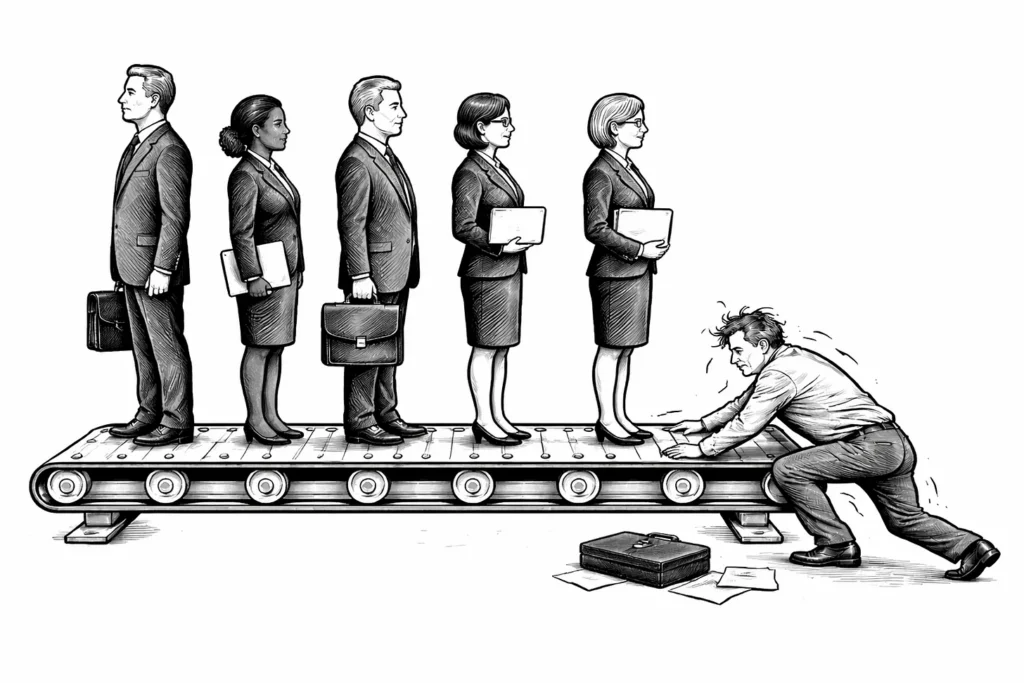
We aren’t returning to the Conveyor Belt
Technology is making it possible to do more with fewer people. Markets are rewarding companies that figure that out. Leadership teams are learning how to operate lean—and stay lean.
The companies reducing their workforce aren’t planning to return to what they were.
They’re learning to operate at a new level.
In my city of Minneapolis, Target just sold its HQ downtown. We don’t need HQs any more. And that means they are planning on less people. Forever.
And it’s working
This time it’s different. For everyone.
And Yet—We Still Believe
This is perhaps the most human part of all of it.
Even now, with the conveyor belt breaking down all around us, we tell ourselves:
“Something will open up.” “I just need the right role.” “I’ll get back on.”
Of course we do.
We’ve been breathing Conveyor Belt air our entire lives.
It came from our parents. Our teachers. Every career conversation we’ve ever had.
Letting go of it isn’t logical.
Our emotions, safety and identity are tied into the conveyor belt model.
Letting go is hard.
So we hold on. And exhaust ourselves.
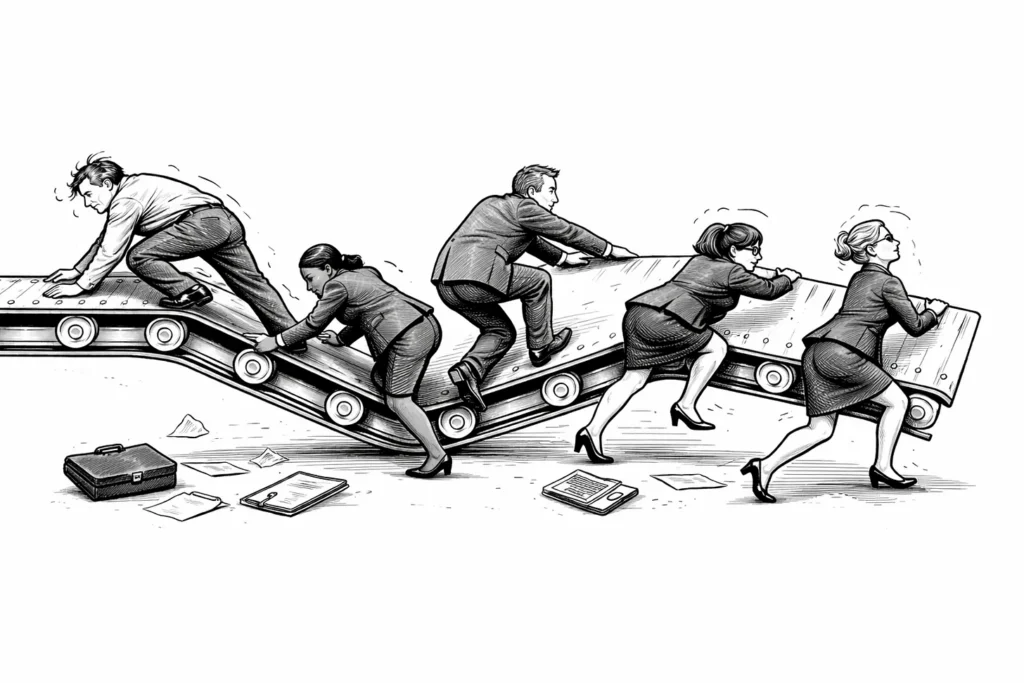
So Now What?
First, you have to give yourself permission to stop trying to get back on.
How much more evidence do you need to see that it’s no longer working?
Shift the question from:
“How do I get back?”
to:
“How do I make my own way?”
That right there opens up a whole new world for you.
Build your own fractional business.
Fractional work has moved past the edge case stage.
A few years ago, maybe it felt experimental.
That’s not where we are anymore.
If you pursue fractional with discipline and rigor, it is stable, reliable, and trustworthy.
Not easy. It’s not supposed to be.
There’s discipline. There’s rigor. There’s mindset and behavior that have to change.
But it works.
It really works.
What We’re Seeing at Voyageur U
One of our recent graduates had four clients within a week of finishing the program.
Another had three two weeks after the program completed.
This is normal in our cohort program.
Those who graduated six months ago or longer are still fractional today.
This data goes back to 2019.
Fractional works.
This is the pattern we see—cohort after cohort.
Only 5% of our graduates return to corporate.
95% remain fractional for the rest of their careers.
They didn’t get back on the conveyor belt.
They stepped off—and built their own future in Fractional.
Fractional is no longer a mystery.
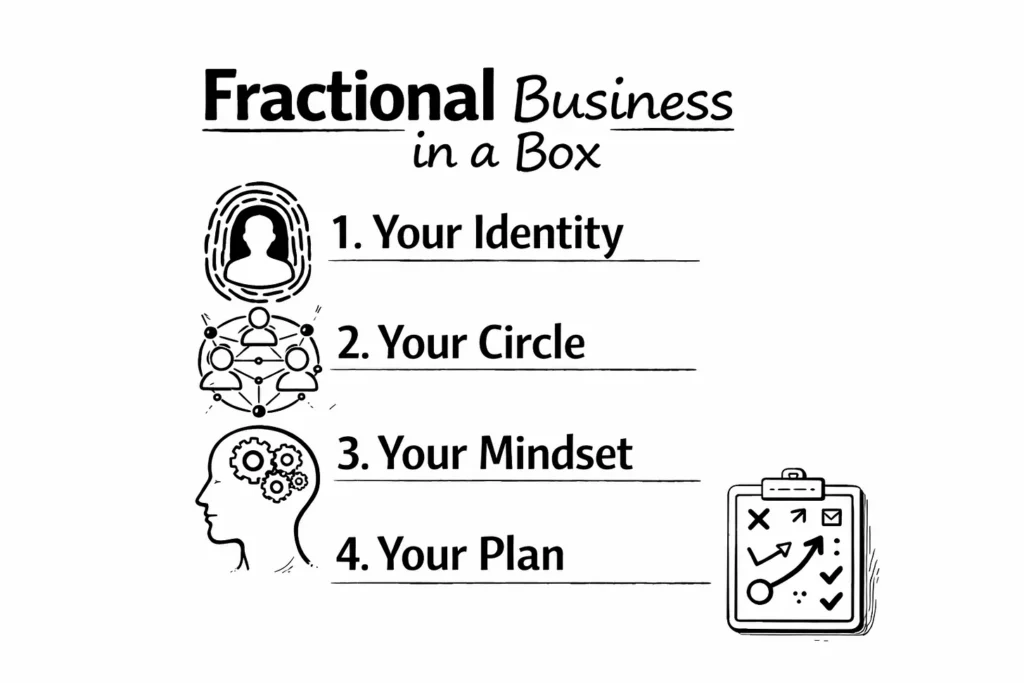
Four Core Tenets of Success
Fractional is structural now.
The path takes work—but it’s known work.
You move through four things:
An identity shift
Building a trusted circle
Learning new habits and shedding old ones
Creating a clear plan
Do this, and you win. Do you have to learn it? Well, yeah. No one taught you this before. But can you learn it? Of course.
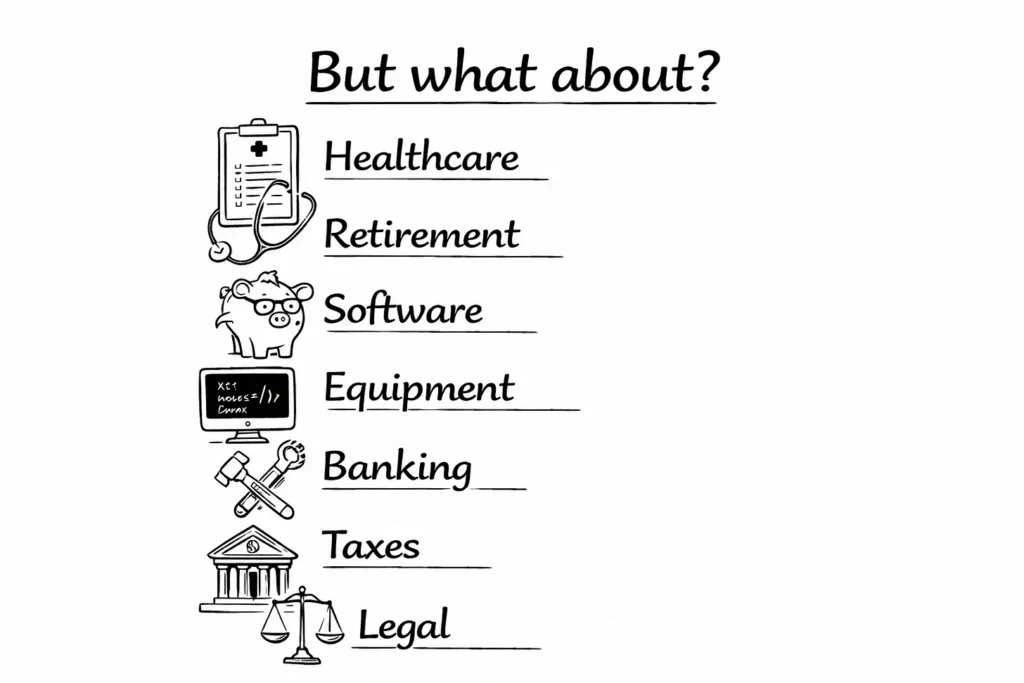
“But What About…?”
Healthcare. Retirement. Taxes. Legal.
All valid questions.
All solvable.
There are entire ecosystems built for independent professionals.
These aren’t barriers.
They’re details. For which we are creating a marketplace for you to take care of your But What About in a cost effective, simple way.
Letting Go Is the Hardest Part
The hardest part of this isn’t strategy.
It’s letting go.
The old system made sense. It felt stable. It felt fair.
Letting go of it is hard.
It feels like loss.
But avoiding reality doesn’t protect you.
It just delays your response.
Where This Goes From Here
There is a way to do this. A right way, and a wrong way. A rushed way and a patient way.
Like everything else.
We’ve built it. We teach it. And our students are proving it every day.
You can do this.
We will teach you.
I look forward to seeing you in class.