Burnout, layoffs, ageism, and overwork aren’t personal failures. They are design flaws in how we hire and work.
The modern work system is showing clear signs of failure.
Nearly eight in ten professionals report experiencing burnout. Layoffs continue to ripple across industries, even as remaining employees are asked to absorb more responsibility with fewer resources. Experienced workers are quietly sidelined through ageism, while younger professionals are pushed to sprint without mentorship, margin, or stability.
This has become the status quo of work: overworked, under-supported, and increasingly disconnected from how human beings actually perform at their best.
And the most concerning part?
We’ve normalized it.
What Is Fractional Leadership?
Fractional leadership is a modern work model where experienced professionals contribute their expertise to organizations on a part-time, flexible, or project basis.
Instead of being confined to a single full-time role, fractional leaders work across multiple organizations, focusing on outcomes, insight, and impact rather than hours or hierarchy.
It’s a model built on:
- Trust instead of control
- Outcomes instead of activity
- Judgment instead of job titles
And it’s emerging as a direct response to the limitations of the traditional employment system.
Why the Traditional Work System Is Breaking Down
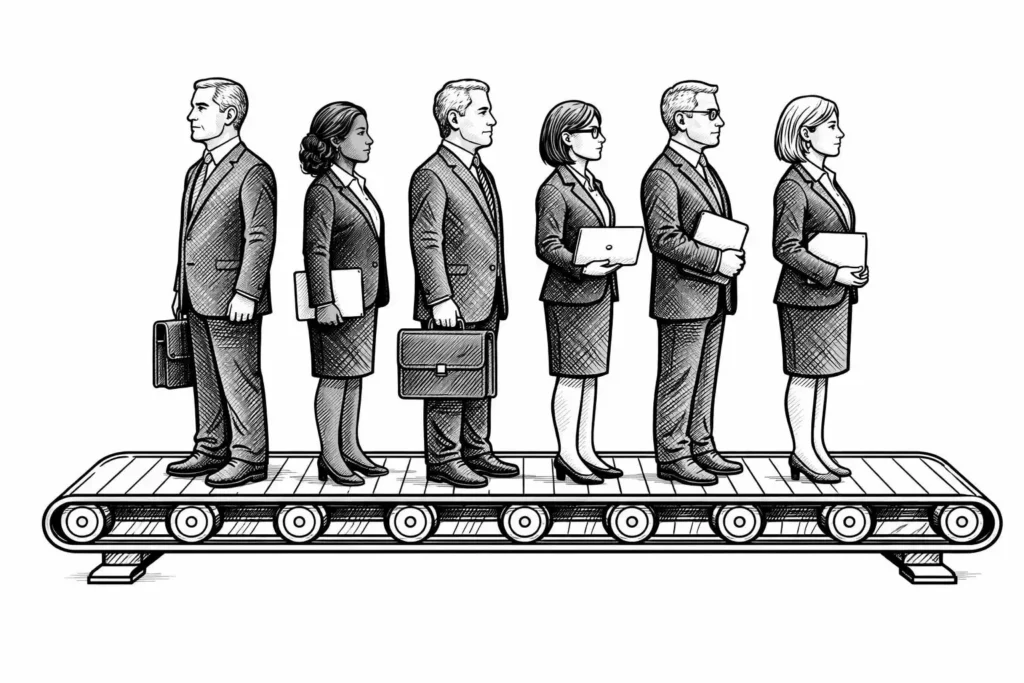
Today’s jobs are often designed around endurance rather than effectiveness. Roles expand faster than clarity. Expectations grow without boundaries. Being “busy” is mistaken for being valuable.
In this environment:
- Burnout isn’t an exception — it’s a predictable outcome
- Overwork isn’t temporary — it’s structural
- Layoffs aren’t isolated — they’re systemic
This system doesn’t elevate people.
It compresses them.
Burnout, Layoffs, and Ageism Are Structural Problems
When someone burns out, we suggest resilience training.
When layoffs happen, we call them unavoidable.
When experienced professionals struggle to get hired, we call it a skills gap.
But these are not individual failures.
They are structural ones.
The modern work system rewards:
- Presence over judgment
- Compliance over contribution
- Hours over outcomes
It underutilizes experience while exhausting potential.
What Happens When a Work System Shrinks People
The first harm is personal.
When work is designed around control and overextension, it suppresses a person’s ability to contribute fully. Curiosity dulls. Judgment goes unused. Initiative becomes risky. Over time, people stop offering their best ideas and begin managing their energy just to get through the day.
The second harm is collective.
When people are constrained instead of elevated, organizations and society lose access to their wisdom, creativity, and lived experience. Insight goes untapped. Problems take longer to solve. Progress slows.
This is the hidden cost of how we design work.
The Hidden Cost to Companies and Society
Burnout drains energy and innovation.
Layoffs disrupt trust and continuity.
Ageism sidelines exactly the experience needed to navigate complexity.
What we lose isn’t just healthier employees.
We lose better decisions, faster learning, and stronger outcomes.
A system that shrinks people cannot scale excellence.
Fractional Leadership as a Better Model
Fractional leadership was not created as an escape from work.
It was created as a correction.
Where the traditional system shrinks people, fractional work expands them.
It is built on:
- Trust instead of control
- Outcomes instead of optics
- Judgment instead of hours
In a fractional model, people bring the full scope of their experience into the room: pattern recognition, intuition, and the ability to navigate complexity.
But this shift doesn’t happen automatically.
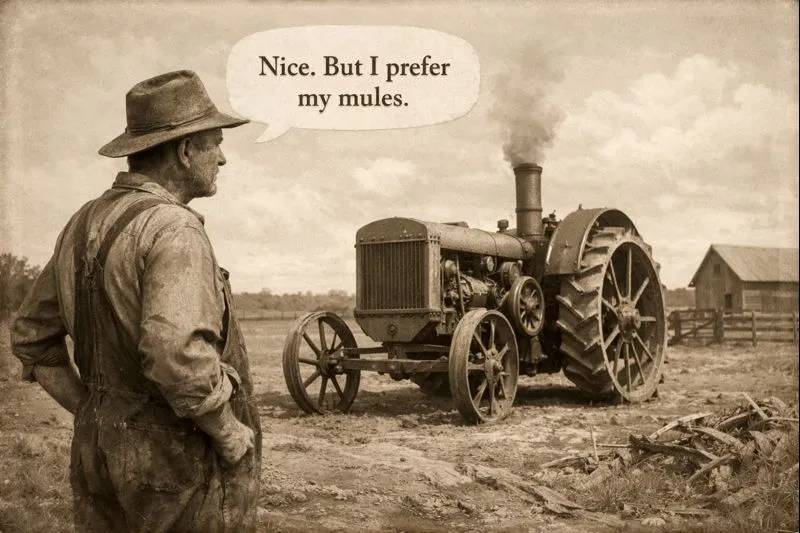
After decades in traditional environments, many professionals have learned to narrow themselves. To stay in defined roles. To translate value into titles rather than contribution.
Fractional work requires a different orientation.
Learning how to name your value, scope your contribution, and operate independently is a skill. It’s a transition. And it’s exactly what we focus on at Voyageur.
Why Fractional Work Expands People Instead of Burning Them Out
When people are given autonomy, respect, and the right scope, energy returns.
Confidence rebuilds.
Work becomes something to engage with rather than endure.
Fractional roles don’t ask people to be everything.
They ask them to be exactly what’s needed.
Why the Future of Work Is Moving Toward Fractional
The current system is under visible strain.
It concentrates rewards for a small number of people while leaving most others overworked, underpaid, or uncertain. It extracts effort while returning diminishing fulfillment.
For many, the math no longer works.
This isn’t about blame.
It’s about awareness.
We are capable of recognizing when systems stop serving us — and choosing something different.
Fractional work matters because it restores agency.
It allows individuals to opt into work that aligns with their strengths.
It allows organizations to access experience without forcing it into outdated structures.
It allows work itself to evolve through choice rather than force.
The Shift Starts With You
The future of work doesn’t require burning everything down.
It starts by changing how you participate.
Fractional leadership offers a path forward — one that is more aligned, more flexible, and more human.
Ready to Explore Fractional Leadership?
If you’re starting to rethink how work should function, the next step is understanding how to transition into a fractional role.